Bitcoin, Why America's Strategic Reserve Hasn't Started Buying Yet
Need articles like this for your video? They help promote it on YouTube and Google — order them in the Telegram bot @sat_sit_bot. The bot writes and publishes the articles itself (with your YouTube video embedded) on popular topical websites (no ads). Try it free: 50 articles on us.
America has not bought bitcoin for its strategic reserve because the reserve was never set up as a purchasing program: it was created from coins already seized in criminal cases, and no appropriation exists to buy more on the open market. The executive order that established the stockpile directed the government to hold forfeited bitcoin rather than sell it, leaving open the question of new purchases. Until Congress funds buying or the Treasury finds a legal route to reallocate existing resources, the reserve stays a custody arrangement, not an accumulation strategy.
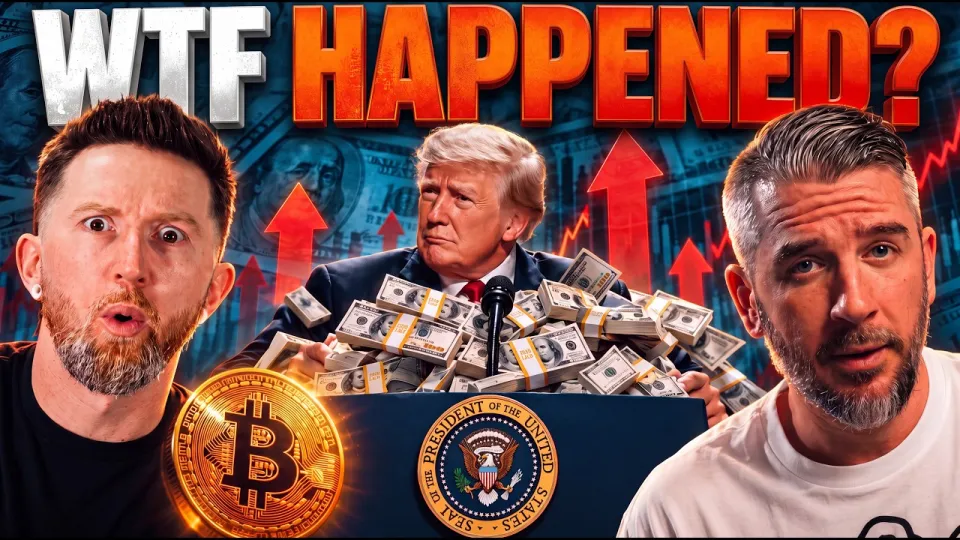
The discussion surfaced in an After Hours episode from Simply Bitcoin, where the panel walked through the gap between the announcement and the absence of any buying.
What the US strategic reserve for bitcoin actually contains
The stockpile consists of bitcoin forfeited in criminal and civil cases, held by federal agencies and consolidated under the Treasury, not coins acquired in the market. That distinction matters: a reserve built from seizures can grow only as fast as new enforcement actions produce forfeitures, which is unpredictable and unrelated to any accumulation target. The order also barred the sale of those coins, converting what had been a routine auction pipeline into a permanent holding. In practice, the government became a long-term holder by accident of enforcement rather than by design, and its balance sheet position grows only when courts finalize new forfeitures.
Why no purchase order has been signed
Buying bitcoin with federal funds requires money, and money requires either an appropriation from Congress or a reallocation inside an existing budget line, neither of which has happened. The panel's read is that the administration prefers to keep the option open politically while avoiding the market and legal exposure of an actual bid. Several practical frictions reinforce that caution: custody arrangements for a purchase large enough to matter, accounting treatment for a volatile asset on the federal balance sheet, and the risk of moving the price against the government's own order. As one speaker put it, the choice looks less like a technical delay and more like a decision to wait 00:00.
The political and legal brakes on accumulation
A reserve that buys is a reserve that takes a public position on bitcoin's value, and that position carries political cost that a reserve built from seizures does not. Legislators who support holding forfeited coins are not automatically supportive of spending taxpayer money on a volatile asset, and the difference between the two votes is large. On the legal side, any purchase program needs a clear authority, an acquisition mechanism and an audit trail that satisfies federal accounting rules. The panel framed the holdup as institutional caution rather than hostility: nobody wants to be the official who bought at the top.
What would have to change before buying starts
Three things would have to line up before the reserve becomes an active buyer:
- Funding. A congressional appropriation or an explicit reallocation inside the Treasury's existing authority, since the current order does not carry a budget.
- Acquisition mechanics. A defined execution method, likely through an intermediary or auction structure, that avoids the government front-running its own order.
- Custody and accounting. A settled treatment for holding and valuing the coins, so the position can be reported without triggering a fight over losses.
Any one of these alone is not enough. The panel's point is that the reserve can sit unchanged for a long time without any of them being resolved, because holding costs nothing and buying invites scrutiny.
Questions viewers keep raising about the reserve
The most common doubt is whether the reserve is real at all, given that no purchases have appeared. It is real as a holding, but it is not a buyer, and that gap explains most of the confusion. A second recurring theme is whether the government would ever sell: the order's restrictions make a sale a separate legal event rather than a routine decision, which is why the coins look locked. A third is whether the reserve is bullish for price. A stockpile that never buys removes supply only to the extent the coins would otherwise have been auctioned, which is a smaller effect than a standing bid. The panel's tone through the discussion stayed light even as the substance was pointed 00:00, and the chemistry between the three hosts is what viewers responded to most.
How to read reserve headlines without overreacting
The useful test for any reserve headline is whether it describes a holding or a purchase, because only the second one puts new demand into the market. A holding announcement changes custody and removes a seller; a purchase announcement changes flow. Watch for the words appropriation, reallocation and acquisition authority, since those signal that the machinery for buying is actually moving. Absent them, a reserve headline is a custody story, and the price impact is limited to the removal of forfeiture auctions.
The bottom line on bitcoin and the US reserve
The US strategic reserve holds bitcoin but does not buy it, and the missing piece is funding plus a legal route to spend it. Simply Bitcoin's After Hours panel, in the video breakdown, treats the delay as political and institutional caution rather than any technical obstacle, and notes that the structure can persist indefinitely without new purchases. Until an appropriation or a clear reallocation appears, the reserve remains a locked stock of forfeited coins. Traders should treat reserve news as a custody signal, not a demand signal.
Key takeaways
- The US strategic reserve for bitcoin was created by executive order, but it holds only coins forfeited in criminal cases, not purchased BTC.
- No new federal money has been appropriated to buy bitcoin, so any purchase would require Congress or a budget reallocation.
- The reserve is administered through the Treasury rather than as an active buyer, which keeps policy in legal review rather than market execution.
- Selling the forfeited coins would require a separate legal process, so the stock is effectively locked rather than liquid.
- Simply Bitcoin's After Hours panel argues that political caution, not technical barriers, is the main obstacle to actual accumulation.
Questions & answers
Has the US actually bought any bitcoin for its strategic reserve?
No. The reserve was assembled from bitcoin forfeited in criminal and civil cases, and no appropriation has been made to purchase coins on the open market. Until Congress funds buying or the Treasury finds a legal route to reallocate existing money, the government remains a holder rather than a buyer.
Could the government sell the bitcoin it already holds?
A sale would require a separate legal process rather than a routine decision, because the establishing order restricted disposal of the forfeited coins. That makes the stock effectively locked for now. Any move to sell would be a visible policy event, not a quiet Treasury operation.
Is the strategic reserve bullish for bitcoin price?
Only modestly. Holding forfeited coins instead of auctioning them removes a source of supply, but it does not add a standing bid. A real purchase program would change flows; a custody arrangement mostly changes who holds the coins.
What should investors watch to know if buying is about to start?
Look for language about an appropriation, a budget reallocation or new acquisition authority, plus details on custody and execution. Those are the signals that the machinery for actual purchases is moving. Reserve headlines without them describe custody, not demand.
Source: LEAKED: Here's The REAL Reason America Hasn't Bought Bitcoin For its Strategic Reserve... · Markdown version